Helping Your Child Grow: Understanding the 6 Stages of Play
Play is often called the “work of childhood,” but it is so much more than just fun and games. For children, play is the primary way they learn to navigate the world, build friendships, and develop essential life skills. At RISE Pediatric Therapies Idaho, we view play as a vital foundation for social communication and emotional growth.
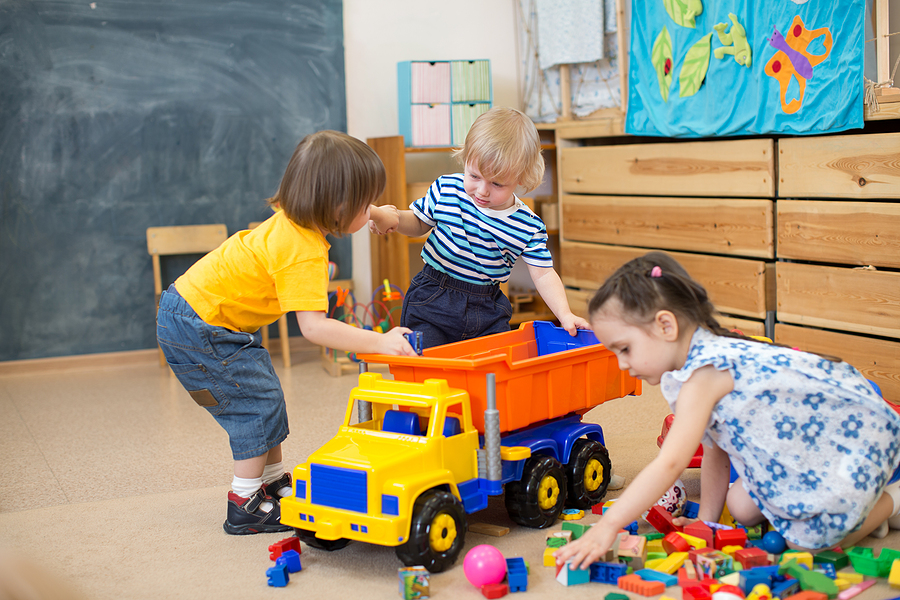
What Are the Stages of Development of Childhood Play?
While every child develops at their own pace, social play typically follows six distinct stages. Understanding these milestones helps parents support their child’s unique journey.
1. Unoccupied Play (Birth–3 Months)
At this earliest stage, babies are just beginning to explore how their bodies move. While it might not look like “play” yet, these random movements are the first steps toward learning about their environment.
2. Solitary Play (Birth–2 Years)
During this stage, children play alone and aren’t yet interested in what others are doing nearby. This is an important time for building focus and discovering personal interests.
3. Onlooker Play (2 Years)
You may notice your child watching other children play without joining in. They are learning social “rules” and different ways of interacting just by observing their peers.
4. Parallel Play (2+ Years)
Here, children play side-by-side with similar toys but do not necessarily interact. Even though they are playing independently, they are beginning to enjoy the company of others.
5. Associative Play (3–4 Years)
This is the “bridge” to deeper interaction. Children start to interact more—sharing toys or talking—but they don’t yet have a shared goal or formal rules for their game.
6. Cooperative Play (4+ Years)
The final stage is where teamwork truly begins. Children work together toward a common goal, like building a tower or playing a game of tag. This requires advanced communication and problem-solving skills.
Why Play Milestones Matter
Monitoring these stages is particularly helpful because play serves as a window into a child’s social development. Identifying delays in these stages early on can be a key factor in seeking professional support. The earlier we can support a child’s social journey, the more confidence they can build in their daily lives.
Whether your child is just starting to notice their peers or is beginning to master the art of teamwork, our team is here to help them thrive.
If you’re looking for a supportive, high-quality pediatric therapy program for your child, RISE Pediatric Therapies is just a phone call away. Contact us today to learn how our team can support your family. With locations in Nampa and Boise, Idaho, we proudly serve the surrounding areas, including Kuna, Meridian, Middleton, and Caldwell.