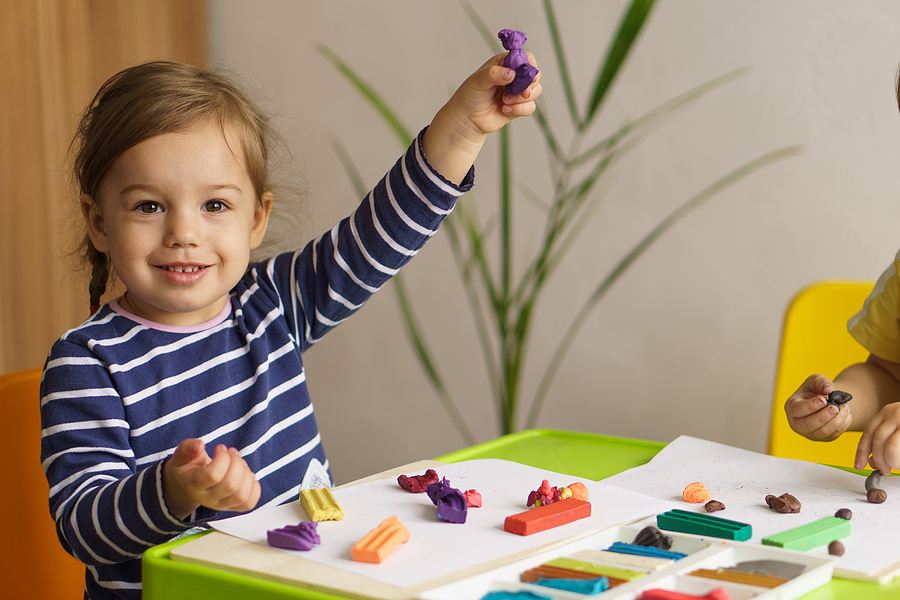
From turning pages in a favorite book to running across the playground, children develop a range of motor skills as they grow. Keeping track of developmental milestones helps you understand their growth in areas like gross motor skills and fine motor skills. If you have questions or concerns about your child’s milestones, the team at RISE Pediatric Therapies in Southwest Idaho is here to support families every step of the way. Let’s explore the differences between gross motor skills and fine motor skills, and outline typical milestones.
Developmental milestones refer to specific skills or behaviors most children show by a certain age. These include everything from rolling over to waving “bye-bye,” cutting with scissors, or hopping on one foot. Although every child follows their own timeline, these milestones help parents and caregivers recognize patterns in their child’s development and alert them when extra support may be needed.
Gross motor skills involve the large muscles used for movements like running, jumping, climbing, and throwing. Examples of typical gross motor milestones include:
If you notice your child has difficulty coordinating these movements or often avoids physical activities, it could be helpful to talk to a pediatric occupational therapist.
Fine motor skills involve the smaller muscles of the hands and fingers, enabling actions like holding a spoon, buttoning a shirt, or drawing. Commonly observed fine motor milestones are:
Delays in fine motor skills can impact a child’s ability to feed themselves, participate in play, or develop handwriting skills. Occupational therapy can support children who need help in these areas.
If you notice your child is not meeting several milestones or seems to be progressing differently compared to others their age, seeking support early can make a big difference. If you live in the Nampa, Boise, or Southwest Idaho area, contact RISE Pediatric Therapies so we can support your child as they build essential skills, one milestone at a time!
A positive mealtime can set the stage for growth, health, and family connection. At RISE…
Play is often called the "work of childhood," but it is so much more than…
Early intervention can make a real difference in the lives of children with developmental delays…